





Which SUV offers better low-speed trail control around Fitchburg, WI — the 2026 Jeep Wrangler or the 2026 Toyota 4Runner?
Russ Darrow Jeep of Madison – Which SUV offers better low-speed trail control around Fitchburg, WI — the 2026 Jeep Wrangler or the 2026 Toyota 4Runner?
Drivers who dig into off-road comparisons almost always end up asking this: which SUV gives me more precise, low-speed control on technical trails? The 2026 Jeep Wrangler and the 2026 Toyota 4Runner both bring serious tools to the party, but their philosophies are different. If you wheel around Fitchburg, WI and split time between mixed gravel, eroded two-tracks, and rocky creek approaches, the feel at 1 to 3 mph matters as much as raw power. Here’s a deep dive into how each SUV manages traction, torque, and geometry when the trail gets complicated.
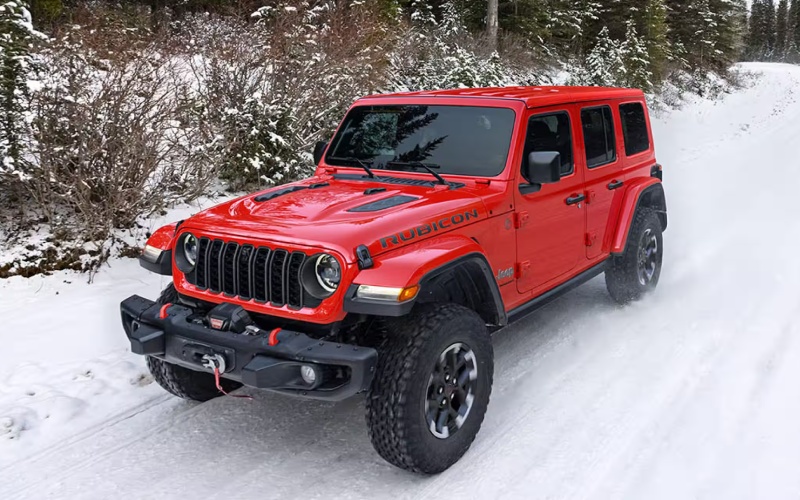
Let’s begin with the Wrangler’s foundation. Solid front and rear axles deliver durability and articulation that help maintain tire contact as the terrain undulates. On Rubicon models, an Electronic Sway Bar Disconnect is on tap for extra suspension travel, and available Tru-Lok electronic locking differentials front and rear make sure torque goes where it’s most useful. Gear reduction is a Wrangler hallmark: the Rock-Trac 4×4 system uses a 4:1 low range. When you pair it with the 6-speed manual and an available 4.88:1 axle ratio, you get up to a 100:1 crawl ratio for exceptional control over ledges and stair-steps. Add in an available factory-installed WARN winch and 35-inch tires direct from the factory, and you’ve got a cohesive tool that’s calibrated for slow, precise movement.
How the 4Runner approaches the same problem
Toyota’s 4Runner is absolutely capable. The TNGA-F boxed frame keeps things rigid, and select trims can be equipped with a Stabilizer Disconnect Mechanism that unlocks extra suspension articulation. Toyota’s Multi-Terrain Select and Crawl Control systems help modulate throttle and braking in low-speed situations, and available full-time 4WD on certain grades can be a plus when traction is variable. 4Runner also brings 33-inch tires on specific trims, a high-clearance front bumper for reduced scrapes, and a Multi-Terrain Monitor to spot obstacles. If you prefer to let well-tuned electronics help you manage uncertain surfaces, 4Runner’s approach brings calm and confidence.
Wrangler, by contrast, prioritizes mechanical grip and driver control first, then layers on smart trail tech. The available TrailCam front camera mirrors the 4Runner’s terrain view capability, while the Wrangler’s radar placement above the rearview mirror preserves the option to run an available steel bumper and winch with no sensor compromises. The result is a build path that invites owners to add trail armor, recovery gear, and performance parts without fighting their own driver-assist systems. That attention to integration matters when your upgrades are more than cosmetic.
Low-speed feel: manual option, gearing, and throttle mapping
One differentiator that enthusiasts in southern Wisconsin call out often is Wrangler’s available manual transmission. Combined with the 3.6L Pentastar V6, it gives direct control of engine braking and throttle input—useful when you’re easing down a slick limestone shelf or lining up a tire on a narrow ridge. The 2.0L Turbo with the 8-speed automatic brings more low-end torque and crisp mapping that pairs well with the Rock-Trac transfer case. Either way, Wrangler’s crawl hardware feels transparent and predictable in your hands. 4Runner’s automatic-only approach is polished and effective; in Crawl Control, it can “walk” the vehicle forward or back at set speeds expertly. If you prefer a hands-on approach and the satisfaction of picking your own line, Wrangler’s analog feel shines. If you like a steady electronic hand smoothing things out, 4Runner is an easy ally.
Geometry also tilts in Wrangler’s favor for truly technical trails. Shorter overhangs and the available 35-inch tire package help create an outstanding approach angle on 4-door models. That means fewer bumper kisses, easier breakover on sharp crests, and more confidence committing to obstacles you haven’t memorized. 4Runner’s geometry is solid, and the high-clearance front bumper earns its keep on brushy, rutted paths. For drivers who primarily tackle sandy two-tracks, graded forest roads, or muddy pasture access, 4Runner’s setup is comfortable and sure-footed. For drivers who specifically seek out shelf roads, boulder fields, and off-camber rock gardens, Wrangler’s numbers and hardware are hard to argue with.
Living with your build: accessories, towing, and travel
The broader ownership story matters too. Wrangler’s quick-release door hinges and multiple top choices—Freedom Top three-piece hardtop, Sunrider soft top, or Sky One-Touch Power Top—turn a typical sunny afternoon into an open-air cruise across the county in minutes. If you flat-tow behind an RV for big trips, Wrangler’s transfer case Neutral simplifies life. And for small-boat or utility-trailer duty, properly equipped four-door Wranglers can tow up to 5,000 pounds. 4Runner adds excellent utility measures of its own: a signature power rear window, available onboard air compressor to reinflate after airing down, and prewired AUX switches that streamline adding lights or a fridge. Both SUVs handle Wisconsin’s diverse landscapes with ease; Wrangler simply offers more ways to adapt the vehicle itself to your plans.
Who benefits most from each SUV?
If you’re a Fitchburg-area driver who wants to progress from “green” to “blue” trails and loves to pick lines deliberately, Wrangler’s combination of solid axles, front-and-rear lockers, and deep gearing rewards your skill growth. If you’re more likely to explore drift roads and occasionally tackle a washout or deep rut, 4Runner’s blend of chassis strength and electronic aids will feel calm and consistent. The good news is there’s no wrong choice—but there is a clear fit based on how you like to drive.
Frequently Asked Questions:
Do both SUVs offer a front stabilizer bar disconnect?
Yes. Wrangler Rubicon provides an Electronic Sway Bar Disconnect, and specific 4Runner trims offer a Stabilizer Disconnect Mechanism for enhanced articulation.
Can I get 35-inch tires from the factory?
Wrangler offers an available 35-inch tire package from the factory on select trims. 4Runner equips up to 33-inch all-terrain tires on certain grades.
Which is easier to flat-tow behind an RV?
Wrangler is designed to be flat-towable when properly equipped using the transfer case Neutral position. The 4Runner is generally not configured for four-down flat towing.
Do both vehicles have forward trail cameras?
Yes. Wrangler offers the available TrailCam forward off-road camera; 4Runner provides the available Multi-Terrain Monitor with selectable views.
Which is better for low-speed control on rocky sections?
Both are capable, but Wrangler’s Rock-Trac 4×4, deep crawl ratios, and available manual transmission prioritize mechanical control that many drivers prefer for technical rock work.
When you’re ready to compare in person, Russ Darrow Chrysler Dodge Jeep RAM of Madison can help you map your real routes to the right hardware. We’re proudly serving Janesville, Fitchburg, and Stoughton with test drives that focus on the details you’ll actually use—gearing, locker behavior, articulation, and visibility—so you choose the SUV that fits your trails and your week.
0 comment(s) so far on Which SUV offers better low-speed trail control around Fitchburg, WI — the 2026 Jeep Wrangler or the 2026 Toyota 4Runner?