





Tire Pressure, Tread Wear, and Rotation Guide for Sun Prairie, WI Drivers
Russ Darrow of Madison – Tire Pressure, Tread Wear, and Rotation Guide for Sun Prairie, WI Drivers
Tires affect almost every part of your drive: steering feel, braking distance, fuel efficiency, ride comfort, road noise, and confidence during sudden maneuvers. For Sun Prairie, WI drivers who commute toward Madison, navigate neighborhood streets near schools and parks, or take longer trips across Dane County, tire maintenance is not something to overlook. A tire can look acceptable at a glance yet still have uneven wear, low pressure, aging rubber, sidewall damage, or a load rating mismatch that affects performance. That is why a thoughtful tire pressure, tread wear, and rotation routine can help extend tire life and improve day-to-day drivability.
At Russ Darrow Chrysler Dodge Jeep RAM of Madison, our service and parts teams help drivers choose, inspect, rotate, and maintain tires for many makes and models, including Chrysler, Dodge, Jeep, and RAM vehicles. Our service center has access to Goodyear and Michelin tire options, and our online tire shopping tools allow searches by vehicle, tire size, or license plate. That makes it easier to match the right tire to a Jeep Grand Cherokee, RAM 1500, Chrysler Pacifica, Dodge Durango, Jeep Wrangler, or another vehicle with unique ride, load, towing, or traction requirements.
Why Tire Pressure Deserves Regular Attention
Tire pressure changes naturally over time, and even a small difference can influence handling and tire wear. Underinflated tires can run hotter, reduce efficiency, and wear along the outer shoulders. Overinflated tires can create a firmer ride and may wear more quickly through the center of the tread. Proper inflation supports more even contact with the road, which helps braking, cornering, and stability. Drivers who split time between local errands, Highway 151 travel, and rural routes near Mount Horeb, WI should pay attention to pressure because varied driving patterns can reveal tire issues quickly.
- Check pressure when tires are cool: Readings are most accurate before extended driving heats the tire and increases internal pressure.
- Use the vehicle placard: The recommended pressure is usually listed on the driver’s door jamb, not only on the tire sidewall.
- Inspect all four tires: One low tire may point to a puncture, valve stem issue, rim concern, or slow leak.
- Do not ignore the spare: If your vehicle includes a spare tire, pressure and condition should be reviewed during routine maintenance.
What Tread Wear Can Tell You
Tread depth is important, but the pattern of wear can be just as revealing. Even wear across the tire often points to healthy inflation, alignment, and rotation habits. Wear along one edge may indicate an alignment issue. Cupping or scalloped patterns can suggest suspension wear, wheel balance concerns, or tire damage. Feathering can be connected to toe alignment problems. If you feel vibration through the steering wheel, hear new tire noise, or notice the vehicle pulling to one side, scheduling a tire inspection is a smart next step.
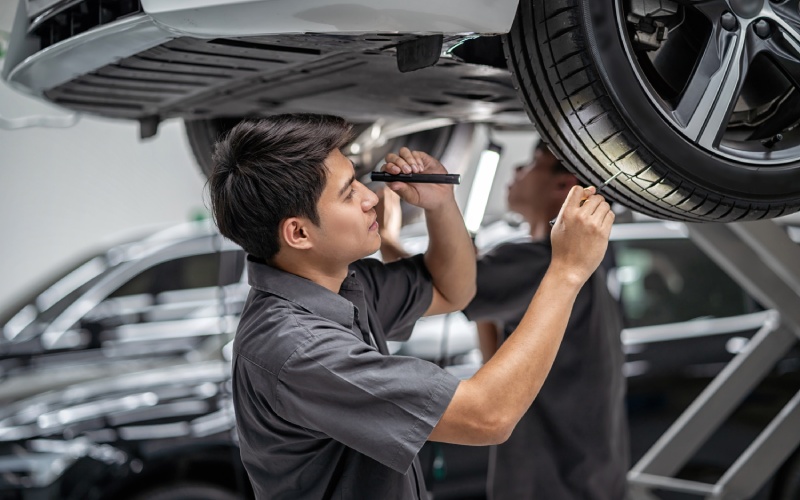
Sun Prairie drivers often combine city driving with faster highway miles, and that blend can make uneven tire wear more noticeable. A tire that performs quietly at lower speeds may create vibration at highway speed. A tread pattern that still looks deep may have irregular wear that shortens tire life. During a service visit, technicians can inspect tread depth, pressure, sidewalls, wear patterns, and overall condition. If rotation, balancing, alignment, or replacement is recommended, a clear explanation helps you make a confident decision.
How Tire Rotation Helps Extend Tire Life
Tire rotation moves tires from one position on the vehicle to another to promote more even wear. Front tires often wear differently from rear tires because of steering, braking force, vehicle weight distribution, and drivetrain design. On many front-wheel-drive vehicles, front tires work especially hard. On four-wheel-drive or all-wheel-drive vehicles, tire circumference consistency can be important for system performance. That is why rotation intervals and patterns should match the vehicle’s design and tire type.
- Review the recommended rotation interval in your owner’s manual.
- Ask whether your tires are directional, staggered, or same-size all around.
- Pair rotation with a brake inspection when practical.
- Check pressure after rotation because front and rear recommendations may differ on some vehicles.
- Track tread depth at each visit to identify unusual wear early.
When Replacement Becomes the Better Choice
Rotation and pressure checks can help tires last longer, but no tire lasts forever. Replacement may be the safest option when tread depth is low, sidewalls are cracked, belts are damaged, punctures are not repairable, or tires are aged beyond a practical service life. Matching the correct size, speed rating, load index, and tire category matters. A RAM truck used for towing needs different tire priorities than a Chrysler minivan focused on family comfort, and a Jeep SUV may benefit from a tire suited to mixed road surfaces.
Our parts department can help identify proper fitment, and installation support is available when requested through the parts process. We can also assist with related needs such as wheel locks, all-weather mats, mud guards, roof racks, wiper blades, batteries, and Mopar accessories. For drivers comparing tires near Mount Horeb, WI or Sun Prairie, WI, the right guidance can prevent mismatched fitment and help preserve ride quality, traction, and long-term value.
Frequently Asked Questions:
How often should I rotate my tires?
Many vehicles benefit from rotation at regular mileage intervals, often during routine maintenance visits. Your owner’s manual and tire wear pattern provide the best guidance.
Why does my tire pressure warning light come on if the tires look fine?
A tire can look normal while still being several pounds low. A sensor warning should be checked with an accurate gauge and followed by inspection for leaks or damage.
Can uneven tread wear be corrected?
Some uneven wear can be slowed with rotation, balancing, or alignment service, but severe wear may require tire replacement for safe performance.
Do I need an alignment when buying new tires?
An alignment is often recommended if old tires show uneven wear, the vehicle pulls, the steering wheel is off-center, or suspension components have been serviced.
Schedule Tire Service With Confidence
If your tires are wearing unevenly, losing pressure, vibrating, or nearing replacement, professional inspection can help you avoid guesswork. Our service department offers tire rotations, tire balancing, tire alignments, brake inspections, multipoint inspections, and tire replacement support. Use our online tools to shop for tires by vehicle, tire size, or license plate, or schedule service at our Madison location. With certified technicians, Saturday service hours, shuttle availability, free WiFi, and access to trusted tire brands, our team is ready to help you keep your vehicle steady, comfortable, and ready for the miles ahead.
0 comment(s) so far on Tire Pressure, Tread Wear, and Rotation Guide for Sun Prairie, WI Drivers